How Does One Become a Certified Funeral Celebrant?
Becoming a certified funeral celebrant is a meaningful journey where you learn to support families and honor lives through personalized ceremonies. This blog outlines the steps you need to take to embark on this rewarding career path.
Understand the Role of a Funeral Celebrant
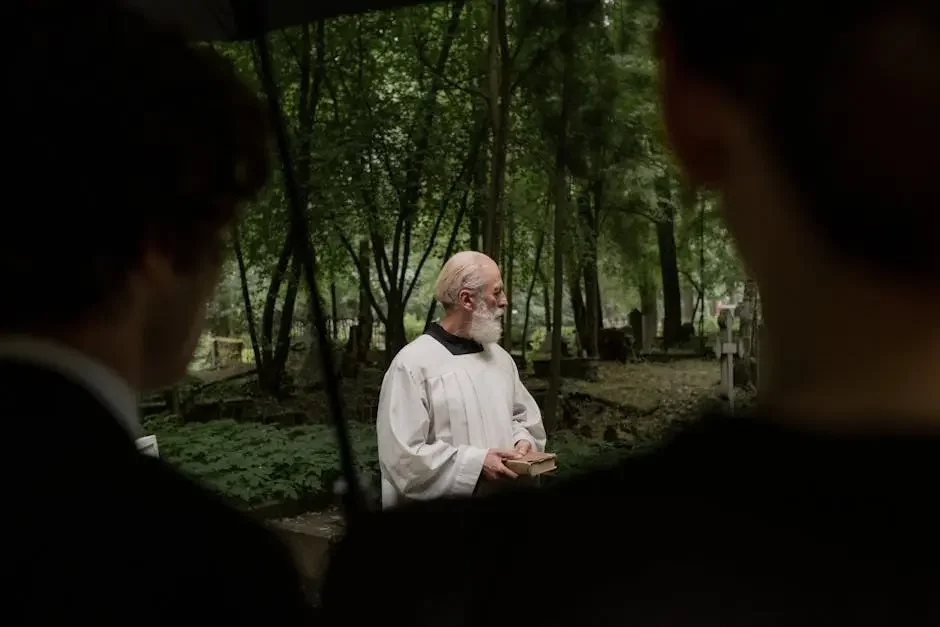
A funeral celebrant is responsible for designing and officiating ceremonies that reflect the personality and beliefs of the deceased and their loved ones. It's important to understand this role fully to ensure it aligns with your skills and interests.
Funeral celebrants craft ceremonies that can be religious, non-religious, or a blend. This flexibility allows celebrants to fulfill the specific wishes of the deceased and their families. Understanding cultural nuances and maintaining sensitivity is key in facilitating a meaningful experience that resonates with everyone present.
Compassion and empathy are the heart of being a funeral celebrant. You will often serve as a guide for families in mourning, helping them navigate the complexities of grief while honoring their loved one's life. Excellent communication skills and an ability to listen intently are vital.
Research and Enroll in Funeral Celebrant Training
The next step is to find a reputable funeral celebrant training program. These programs provide the necessary knowledge and skills needed to create personalized funeral services. Look for programs that offer both theoretical and practical components.
When choosing a training program, consider whether it covers a broad range of topics. A comprehensive curriculum might include grief theory, ceremony writing, and public speaking. Also, check if the program has endorsements from professional celebrant associations, as this can be a mark of quality and reliability.
In addition to the specifics of the course content, research the trainers' credentials and experience. Well-experienced instructors can impart not only academic knowledge but also real-world insights that could give you a head start in your career as a celebrant.
Complete Required Coursework and Practicals
Most certification programs require candidates to complete a series of courses and practical exercises. This might include learning about ceremony structure, public speaking, and the nuanced aspects of grief and loss.
Fieldwork in funeral settings is often part of the curriculum, providing invaluable experience. Engaging directly with families and funeral directors in real scenarios equips you with insights that cannot be taught in a classroom.
Each coursework module typically culminates in a practical assignment, where you'll apply what you've learned by designing and conducting mock ceremonies. Feedback from instructors and peers helps refine your approach, ensuring you develop a well-rounded skill set.
Gain Experience Through Practice and Mentorship
Hands-on experience is invaluable. Here you shadow experienced celebrants and slowly start taking on your own services under supervision. Mentorship can offer guidance and feedback that is crucial for your development.
Shadowing a seasoned celebrant provides insight into the subtleties of managing ceremonies and interacting with grieving families. Observing how they address unexpected situations and engage with diverse groups will be educational beyond textbooks.
Building a network of support and mentorship is crucial. Engaging in celebrant community forums can offer continuous learning opportunities, where you share experiences, ask questions, and grow your understanding of the industry.
Achieve Certification and Build Your Practice
After completing the training and necessary evaluations, you can apply for certification. With this credential, you can start building your own practice, connecting with families, and establishing your career as a funeral celebrant.
Marketing your services is the next logical step. Establishing a professional online presence, networking with local funeral homes, and attending relevant events will help promote your practice.
Continuing education is important even after achieving certification. Staying updated with industry trends and novel celebrant practices ensures you remain at the forefront of the field, offering services that meet the evolving needs of families.
Embrace the Journey to Bringing Comfort and Celebration
Becoming a certified funeral celebrant is a fulfilling process that combines training, practice, and empathy. By following these steps, you're not only gaining a certification but also stepping into a role that helps families find solace in celebration and remembrance.