

What Traditions Are Common in Life Celebrations Across Different Cultures?
Life celebrations are a fundamental part of human culture, providing an opportunity to honor significant milestones. These celebrations come in all shapes and sizes, and the traditions associated with them can vary greatly from one culture to another. Let's explore some common traditions around the world.
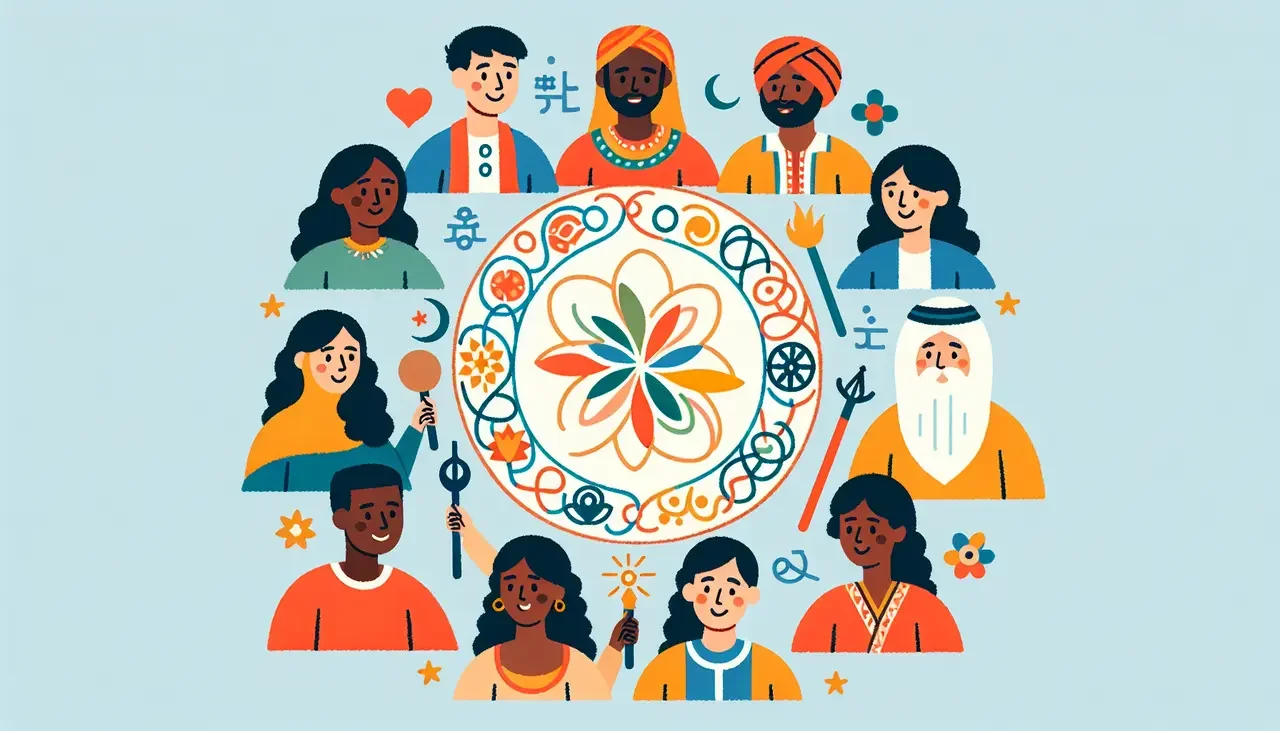
Birth Celebrations: Welcoming New Life
Across the globe, the arrival of a new family member is usually greeted with joy and specific traditions. From the naming ceremonies in many African cultures to the 'baek-il' celebration in Korea marking 100 days after birth, these traditions emphasize the significance of welcoming new life.
In some Native American tribes, the birth of a child is celebrated with a 'baby naming ceremony', where community elders play a crucial role in selecting a meaningful name. These names often reflect the child's heritage and are believed to guide their journey through life.
Coming of Age Rituals: Marking Transition into Adulthood
Transitioning into adulthood is marked with ceremonies like the Latin American 'Quinceañera' or the Jewish 'Bar/Bat Mitzvah'. These coming-of-age rituals often involve ceremonies that signify maturity and the acceptance of new responsibilities.
In Japan, 'Seijin Shiki', or Coming of Age Day, is a national holiday that celebrates all individuals turning 20, the age of maturity. Participants dress in traditional attire and attend ceremonies held by local governments to recognize their new status as adults.
The Apache girl’s sunrise ceremony, called 'na'ii'ees', involves a four-day celebration which marks a young woman's entry into adulthood. The ceremony, filled with song, dance, and blessings, connects her to her cultural heritage and community.
Marriage Ceremonies: Celebrating Union
Marriage is a universal milestone celebrated with an array of rituals, such as the 'Henna Night' in Middle Eastern cultures or the breaking of the glass in Jewish weddings. These customs reflect cultural values and beliefs about love and union.
The Indian wedding tradition, which may last several days, is marked by vibrant colors and intricate rituals. The 'Saptapadi', or the seven steps, is one such ritual where the couple takes seven vows, symbolizing their shared journey ahead.
African weddings often include the 'jumping the broom' ceremony, which is believed to have its roots in African tribal traditions. This symbolic gesture marks the couple’s willingness to face life's challenges together.
Death Rites: Honoring Departed Loved Ones
Death is commemorated with various rites such as the Mexican 'Día de los Muertos' and the 'Sky Burial' practiced in Tibet. These traditions often focus on honoring the deceased and supporting their journey into the afterlife.
In Madagascar, the 'Famadihana', or turning of the bones, is a vibrant celebration where families exhume the remains of their ancestors to clean the bones, offer food, and dance. This ritual is a powerful expression of respect and love for the departed.
'Sati', an ancient Hindu practice where the widow was burned on her husband's funeral pyre, has been banned yet remains a controversial part of India's history. It highlights contrasting beliefs about death and the afterlife.
Celebrating Life Across Cultures: A Universal Experience
Understanding the diverse traditions of life celebrations across cultures not only enriches our own experiences but also fosters a deeper appreciation of our shared humanity. Whether it's through colorful rituals or solemn ceremonies, these traditions highlight the universal themes of love, life, and memory.
